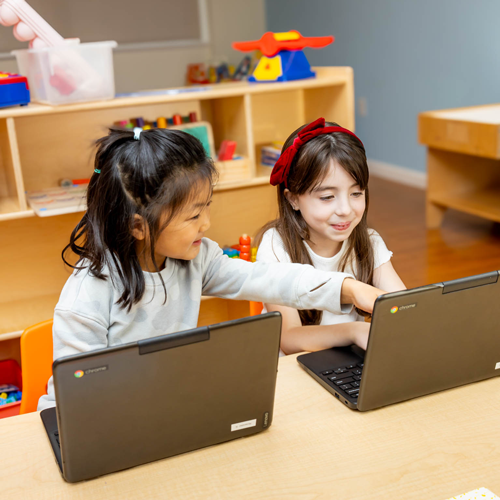
Rising PreK

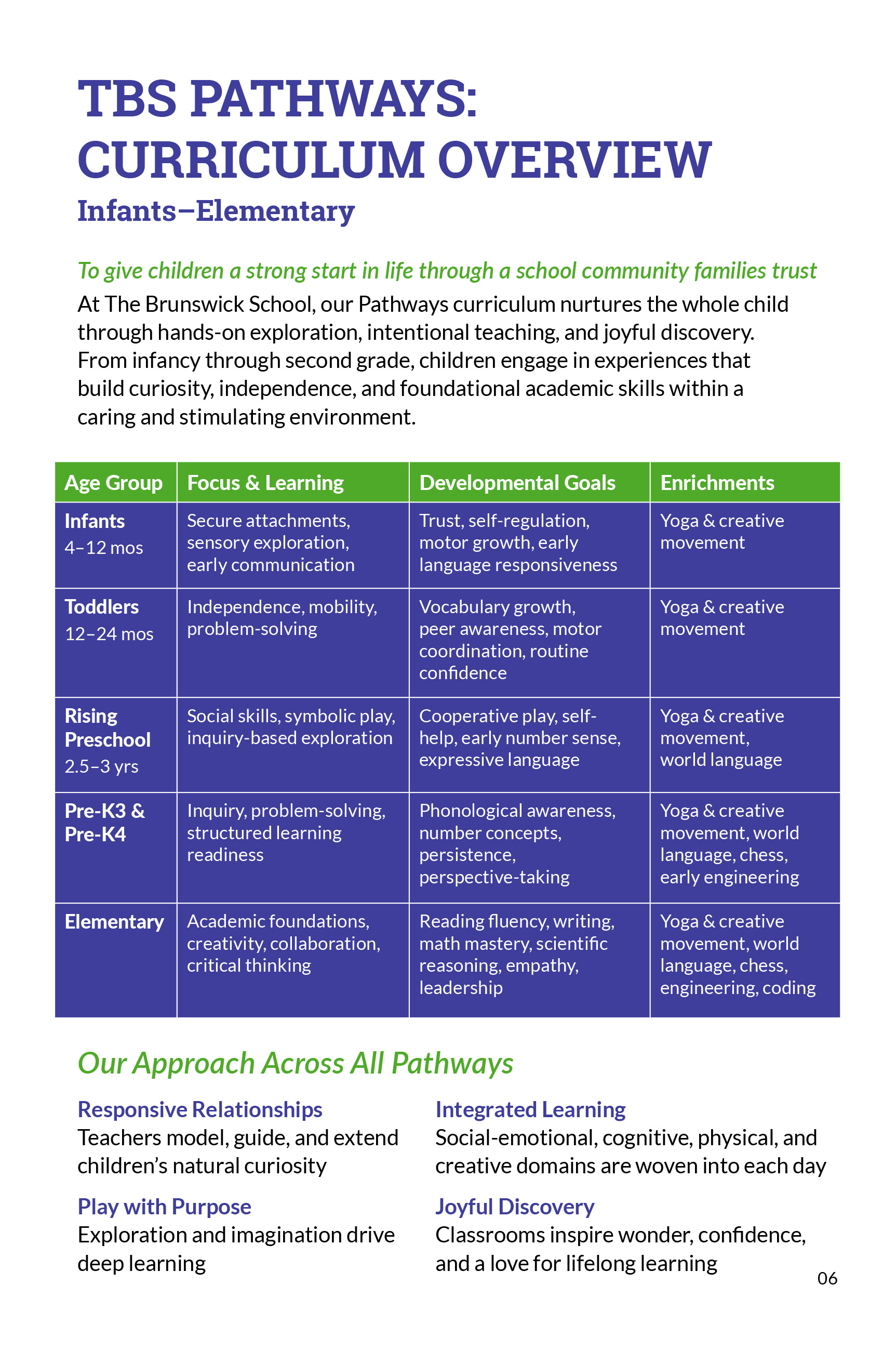
Our Rising PreK program is designed to support the budding learner's need for increased independence while facilitating transition into a structured learning environment. Children may enter the Rising PreK program throughout the year as they turn 2.5 years old. Those who are not yet potty trained must wear pull-ups, not diapers, when they begin the program. Teachers help them learn to use the toilet.

Classroom space and learning materials are organized into specific designated play and learning areas according to specific content areas. Carefully guided activities will provide opportunities for Rising Preschoolers to exert their independence by making simple choices and actively engaging in hands-on learning experiences. Rising PreK students will also develop communication and social skills by participating in teacher-guided group activities and pretend play in small learning groups. Guided learning and play activities give children opportunities to develop listening skills and understand increasingly complex spoken language. Group activities will prompt Rising PreK students to use simple sentences and participate in conversations. At this stage, language acquisition will include the understanding of the purpose of printed materials. Rising Preschoolers will engage in activities guiding them to create drawings and begin experimenting with letters.

Teachers act as facilitators in guided play and social activities. Rising Preschoolers at this stage will participate in coordinated play with other children and will use hand eye coordination while completing increasingly complex tasks both indoors and outdoors. Play activities will focus on helping rising preschoolers balance while using both arms and legs in active play. These activities will lead students to evaluate play materials, group objects in categories and plan ways to use these objects to perform multi-step tasks. Rising PreK will be led to investigate causes in the event of unexpected outcomes and carry out simple plans for solving problems. Rising PreK students experience an art-infused curriculum that incorporates creative activities into daily lessons, giving children opportunities to explore ideas and express what they’re learning.

WEEKLY ENRICHMENT CLASSES INCLUDED:
Dance, World Language

A Typical Day as a Rising Preschooler

All outdoor periods will be replaced with indoor play (classrooms or other designated area) in case of bad weather. Periods gradually move from 30 minute periods to 45 minute periods as students progress from Rising Preschoolers-Kindergarteners (mimicking an elementary school schedule). During rest time, Pre-K and kindergarten students can enjoy quiet activities such as reading, playing with Play-Doh, drawing, or writing in a journal. Class periods are generally 35 minutes long. Nap time is 1 hour and 45 minutes.Enrichment periods are added throughout the academic journey from Rising Preschool to Elementary. Example enrichment periods are Yoga, Movement and Language.

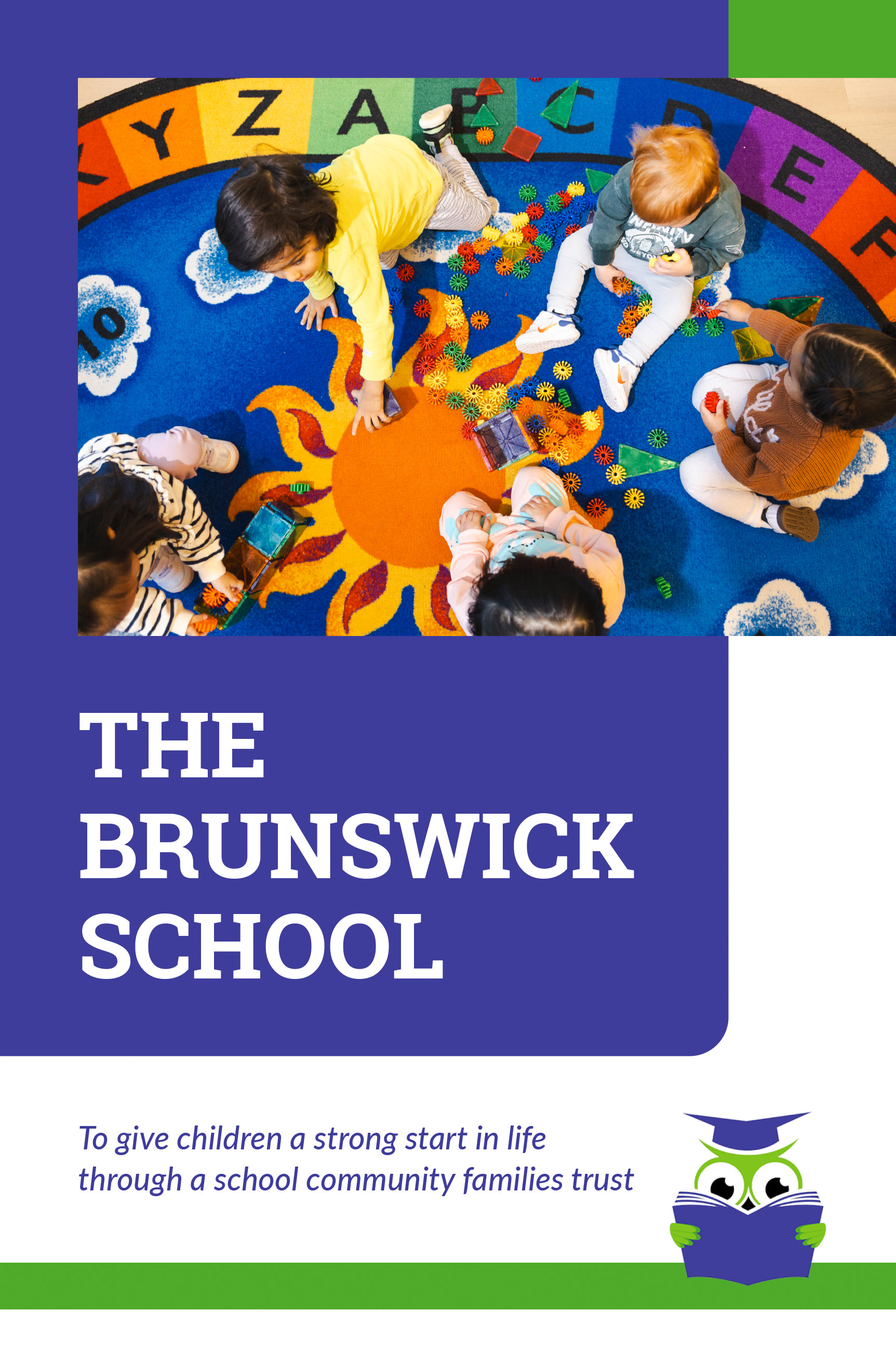
Enrichment periods are added throughout the academic journey from Rising Preschool to Elementary. Example enrichment periods are Yoga, Movement and Language.
7:30 - 8:00 AM:
Extended Day
8:01 - 9:00 AM:
Regular Drop Off
8:30 - 9:05 AM:
Breakfast
9:10 - 9:45 AM:
Literacy
9:50 - 10:25 AM:
Arts and Crafts
10:30 - 11:25 AM:
Outdoor Play
11:30 - 12:00 PM:
Lunch Time
12:05 - 1:50 PM:
Nap Time
1:55 - 2:05 PM:
Mat Clean-Up/After Nap Stretch
2:10 - 2:40 PM:
Outdoor Play
2:45 - 3:15 PM:
Mathematics
3:30 - 4:30 PM:
Dismissal
4:31 - 6:30 PM:
Extended Day

Curriculum Objectives

Play with 1-2 peers without adult influence
Play alone when peers are not present
Make a choice between up to two things
Begins to take notice of other's feelings
Ability to acclimate self to new scenarios
Use "me" and "you" appropriately
Invent fantasy games
Show affection towards others
Try to make others laugh
Show interest in potty training
Begins to form trust-bond with teachers/peers
Begins to form understanding of self
Walks up and down stairs alternating feet
Throws a ball
Climbs on playground equipment with ease
Runs several yards without stumbling
Assembles simple puzzles
Manipulates clay/finger paint
Can stack up to 10 blocks high
Properly hold writing device using tips of fingers, not fist
Sit with legs crossed in seated position for up to 3 minutes
Jumps with both feet
Can feed self
Can trace letters A-K
Begins to understand cause and effect
Understands letters A-K i
Can write first name
Identify numbers 1-10
Can identify basic 2-3 object/color pattern
Can identify basic colors (blue, red, green, yellow)
Can sort objects based on shape/color
Can match up to two objects
Controls at least 3 minutes of attention span
Classifies simple objects
75 % of language/speech is understood
Utters 3-5 word, complete sentences
Understands past, present and future word reference
Understands direct, simple commands
Forms basic understanding of letter recognition, A-K sounds

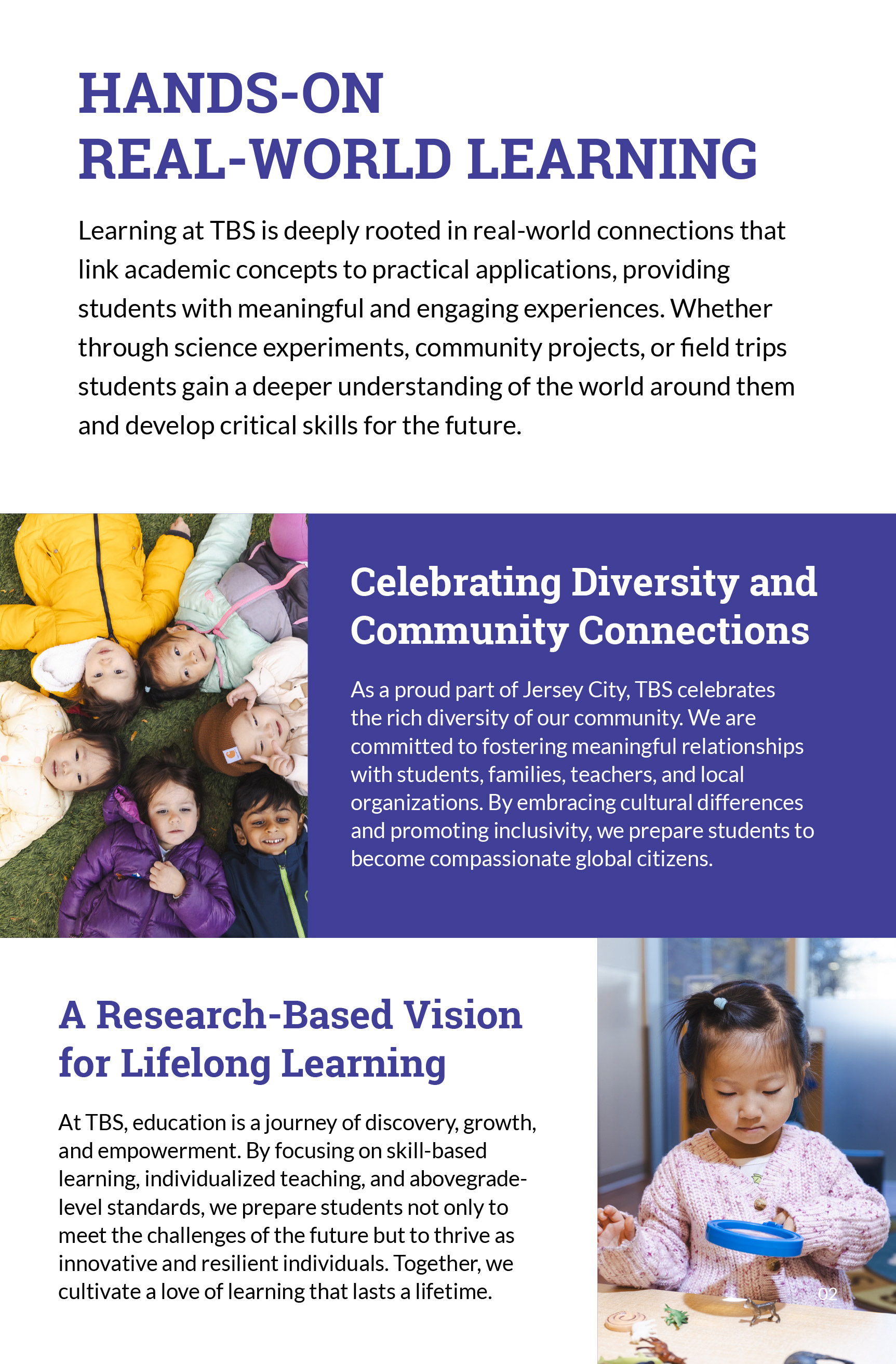
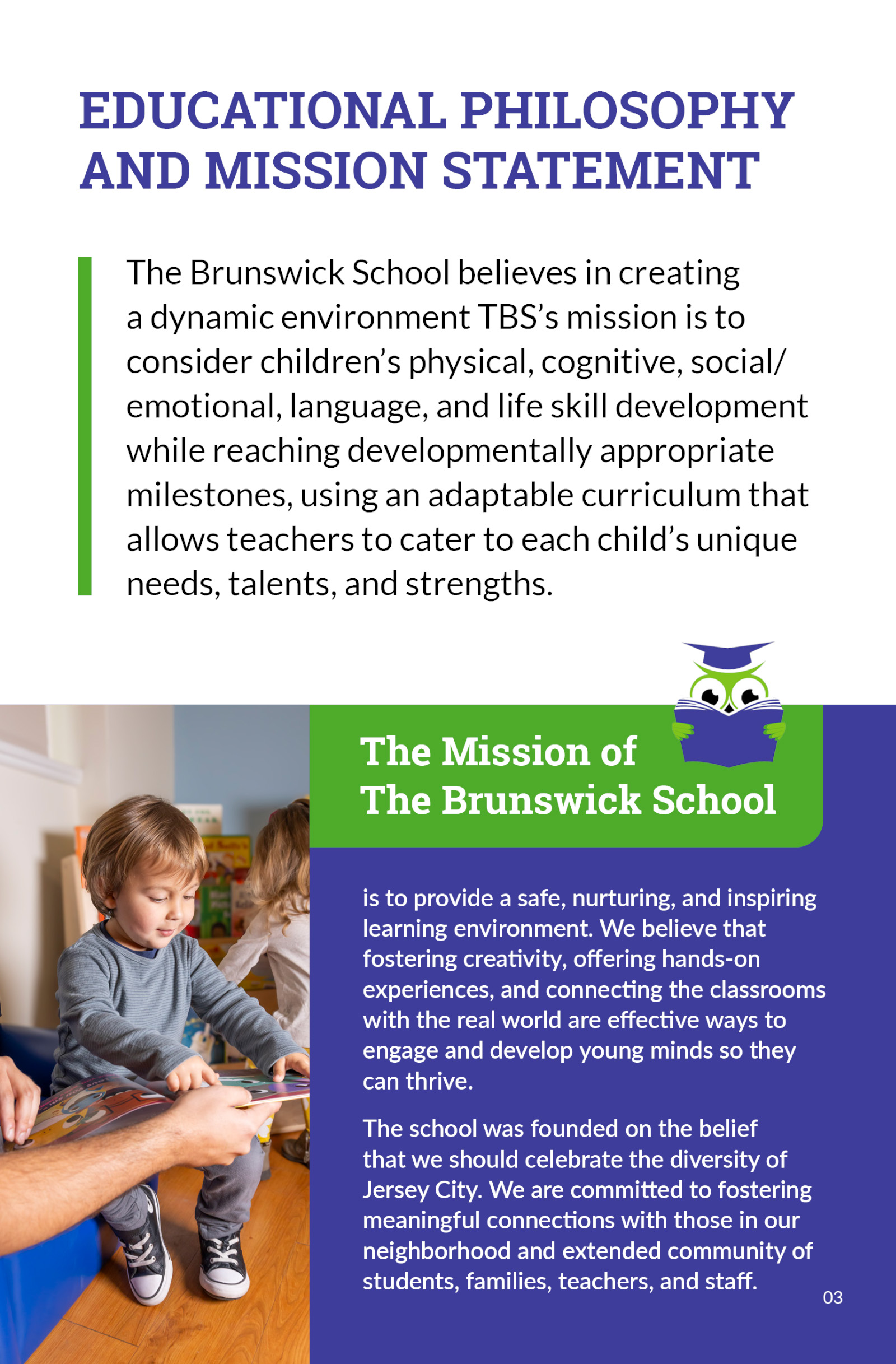
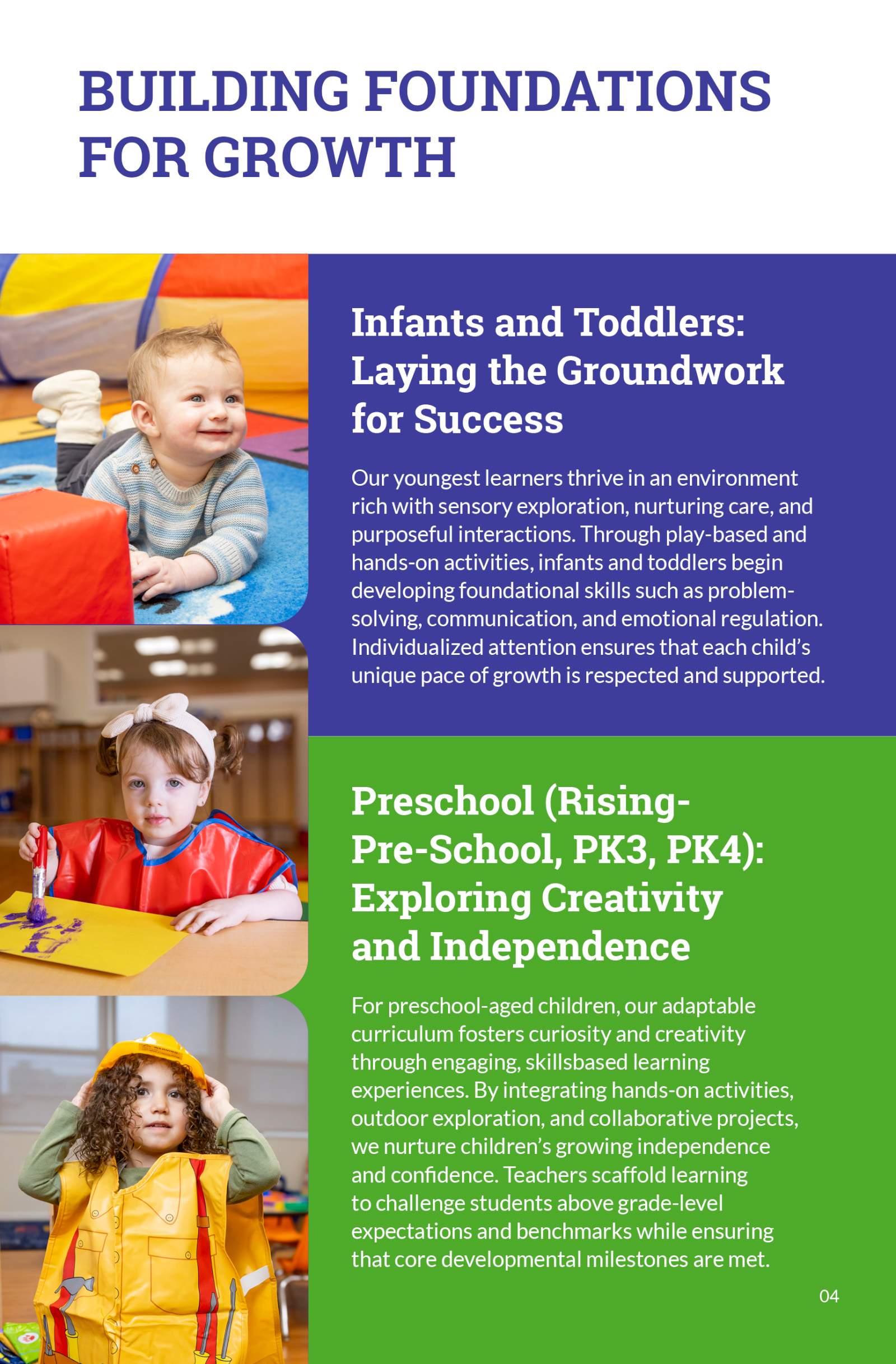
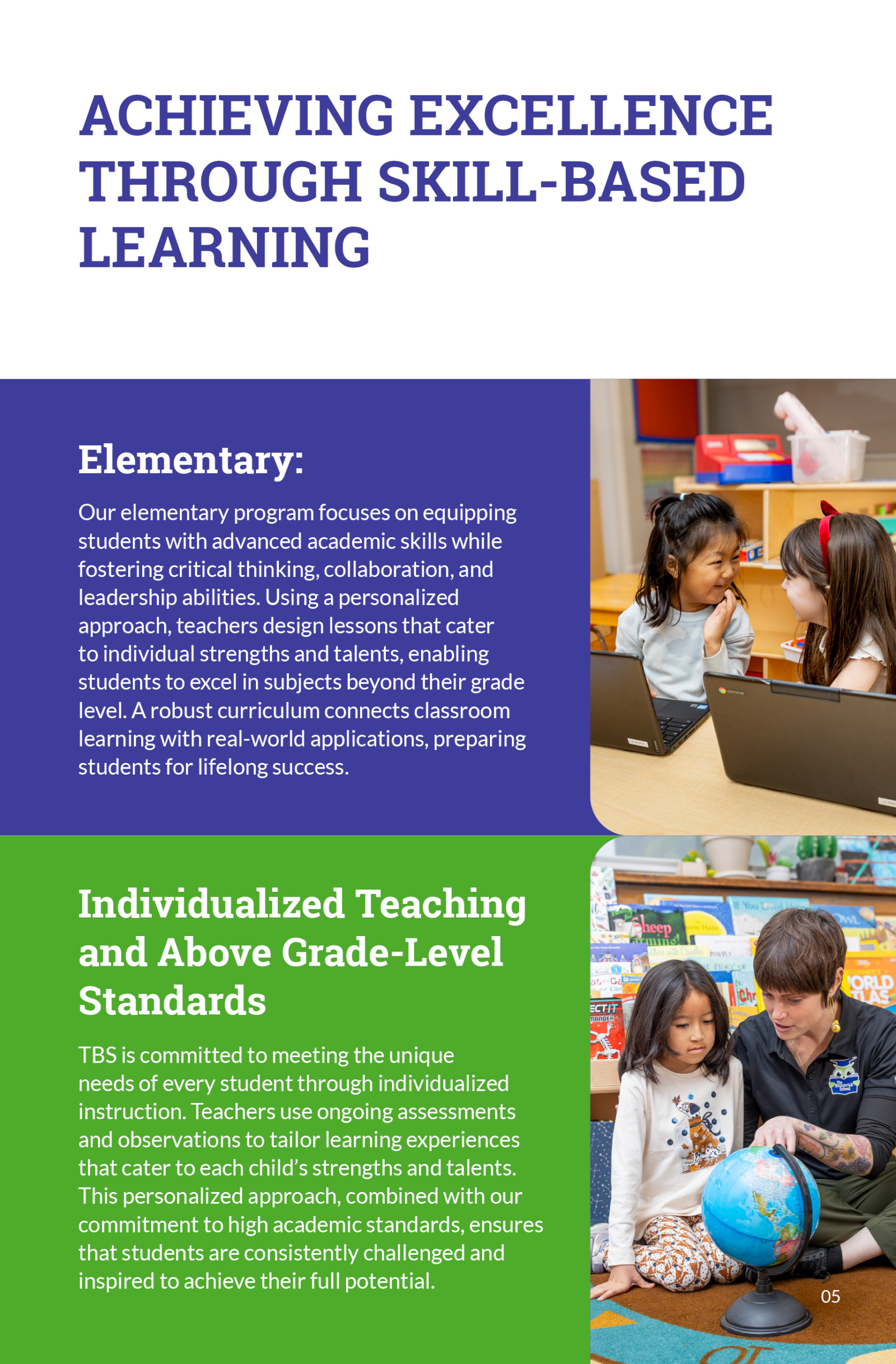
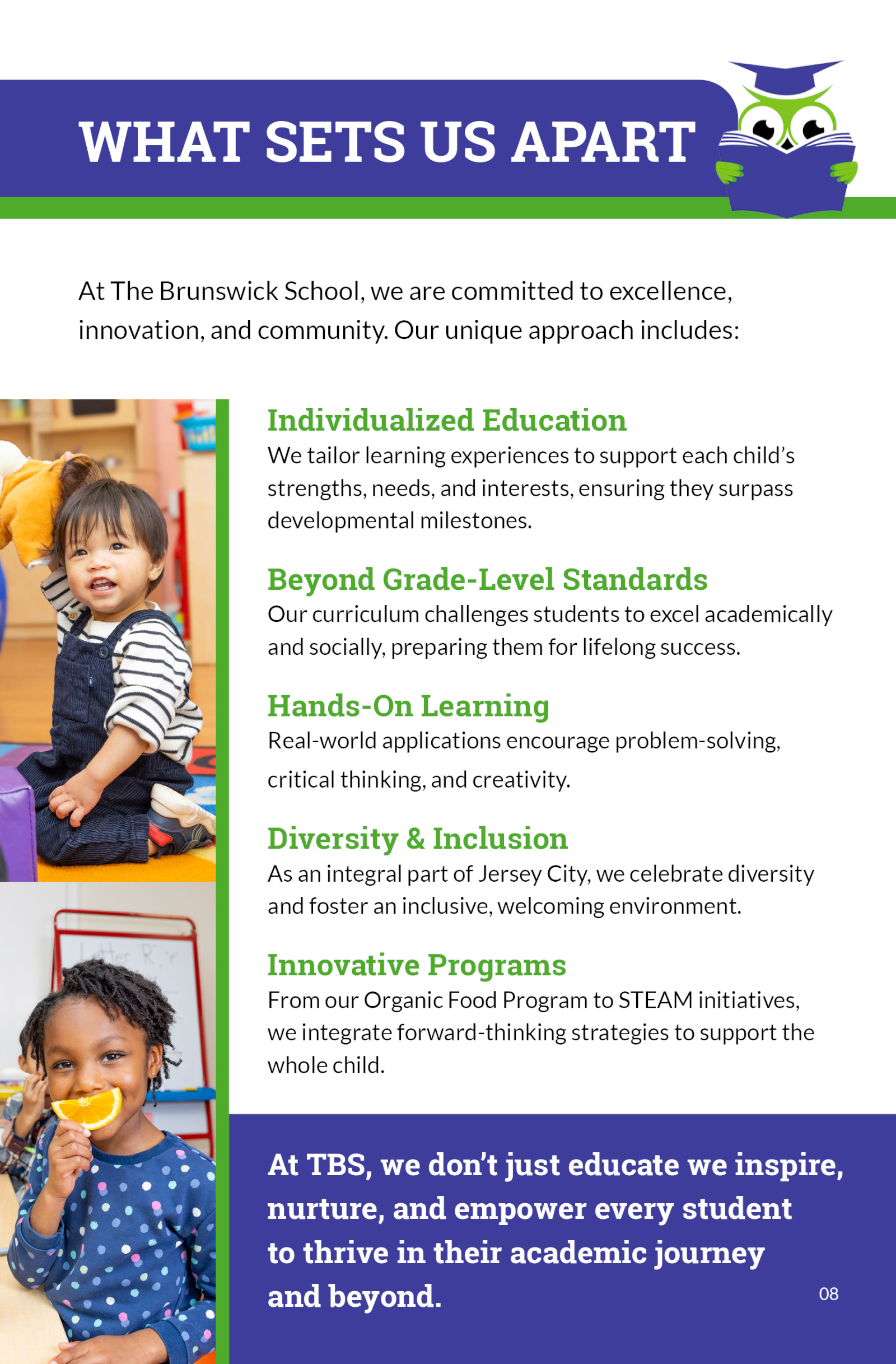
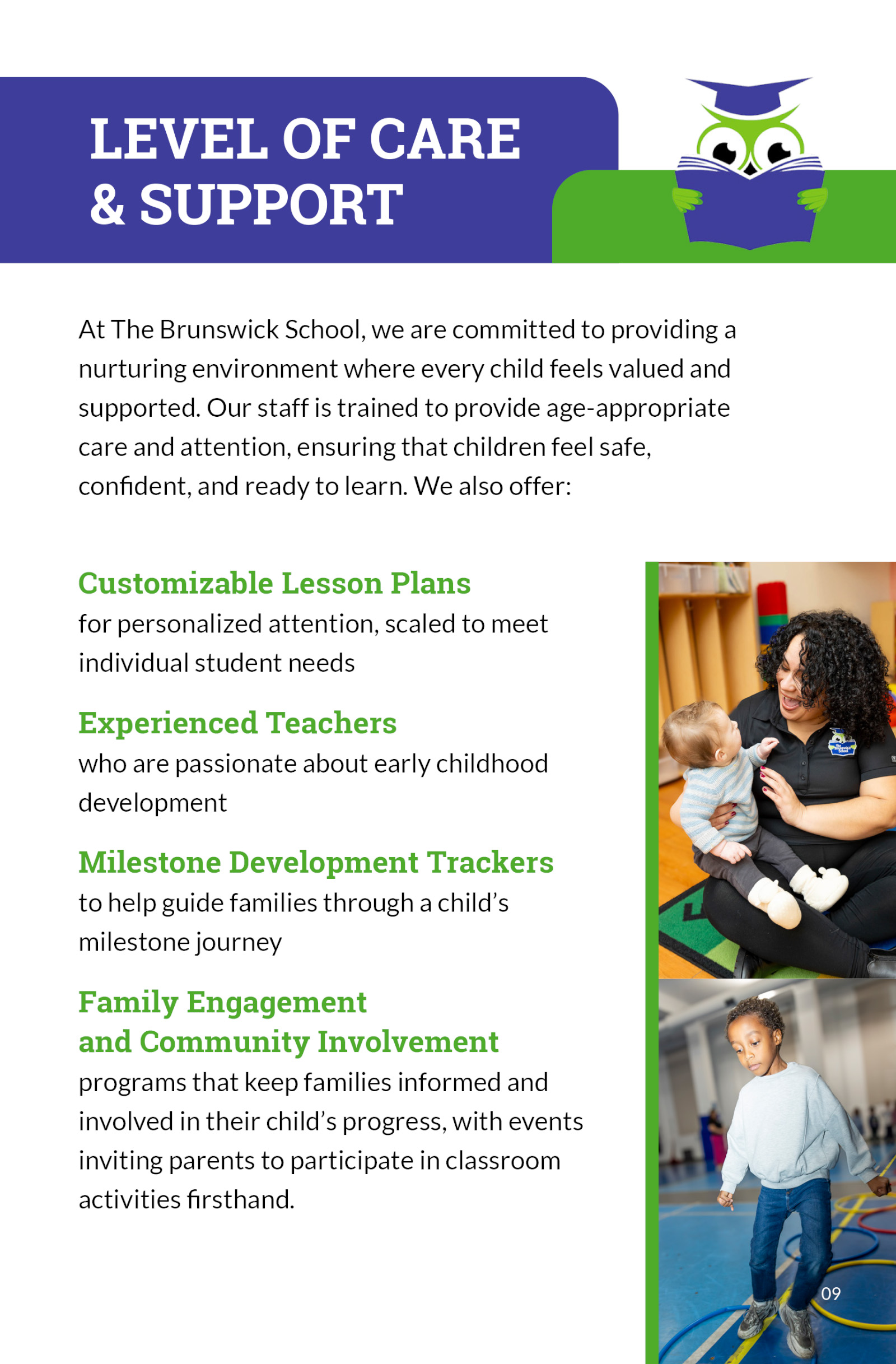
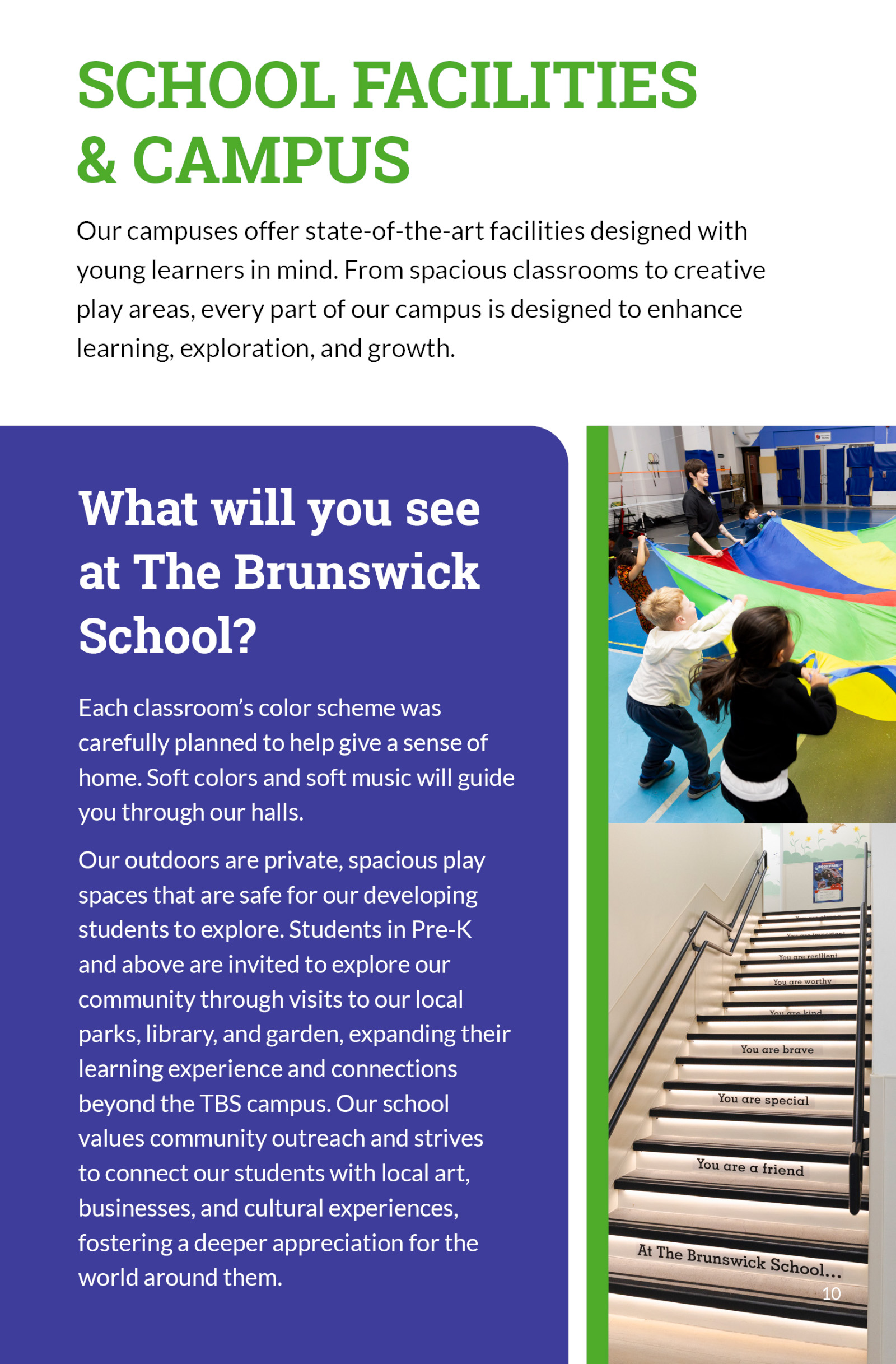
The Brunswick School Brochure

Some 2.5-year-olds are eager to explore new surroundings and interact with other children, while others prefer to stay close to familiar adults. Even after reaching preschool age, children develop at different rates and may respond differently to unfamiliar situations.

Your child might enjoy looking through picture books or experimenting with toys or prefer to watch classmates before joining an activity. At this age, children are learning to communicate what they want and need through words, gestures, or both. They don't need to speak in complete sentences or recognize letters before entering a preschool program. Parents can discuss their child's communication skills with teachers when considering enrollment.

Families may wonder whether age 2 is too early for preschool. Many children welcome the opportunity to explore new activities and spend time with classmates, while others need more time before they're comfortable in a group setting. A program designed for younger children introduces friendships, classroom routines, and group activities at a pace suited to their development. Rising PreK gives children opportunities to explore these early experiences through age-appropriate activities and guided play.
‍

Social and Emotional Development in Rising PreK

Playing alongside other children is common at age 2.5, even when they're not participating in the same activity. Gradually, children become more interested in playing together, exchanging toys, sharing ideas, and joining simple games. Disagreements are common, particularly when two children want the same materials or have different ideas about how to play.

When two children want the same toy, a teacher might help them decide who will use it first or encourage them to find another way to play together. If a block tower falls and a child becomes frustrated, the teacher can acknowledge that feeling and help the child decide whether to rebuild or try something different. Through these interactions, children practice expressing frustration, asking for help, and recognizing their classmates' feelings.
‍

A Closer Look at Learning Through Play

Imagine a small group of children building a pretend neighborhood with blocks, toy vehicles, and figures. Together, they decide where to place a road, compare the sizes of buildings, and figure out how to keep a bridge from collapsing. The activity brings early math concepts and problem-solving into a game the children have created themselves.

Rather than directing every decision, a teacher might ask where a new building should go or encourage the group to find a way for two roads to connect. As children explain their ideas and try different arrangements, they're practicing conversation and listening. As the children continue building, they might add a grocery store where toy figures can shop or a park with paths connecting different parts of the neighborhood.

Stories and songs introduce children to words they can try out in conversation. A familiar phrase from a picture book may become something they repeat during play, while singing with classmates gives them opportunities to practice listening and speaking. Teachers can encourage children to describe what they see, ask questions, and explain their ideas.

Children also learn by touching, moving, and experimenting with materials. During water play, for example, they discover what floats, what sinks, and how water moves between containers. Other activities invite them to compare textures or investigate what happens when they squeeze, stack, or rearrange objects.
‍

Growing Comfortable with the Preschool Day

Reading books about school is one way to introduce your child to the idea of preschool. Families can also practice brief separations with trusted caregivers and talk about what happens during a typical school day. Tell teachers what comforts your child when they're upset and how they respond to unfamiliar activities. You can also ask whether children are permitted to bring a comfort item from home. A familiar goodbye routine may ease morning drop-offs, particularly when parents keep it brief and predictable.

Once school begins, children need time to get used to moving between classroom activities, meals, outdoor play, and rest. Knowing what happens after breakfast or when it's time to put toys away makes the school day more familiar. Teachers may use songs, simple directions, and reminders to help children move between activities without feeling rushed.

As children learn the daily schedule, they begin taking responsibility for small tasks. They put toys back in their designated places, help clean up after an activity, and learn where to keep their belongings. Some pick up these routines quickly, while others need demonstrations and reminders before managing them independently. Families can discuss their child's toilet learning progress with teachers, including which routines they're practicing at home and where they still need assistance.

Learning these routines doesn't mean children will always be ready to follow them. A child who doesn't want to stop playing may respond to an advance reminder that cleanup is approaching. Another may need reassurance before joining a group. Teachers respond to these differences while helping children become familiar with classroom expectations.

After school, parents can talk with their child about familiar parts of the day, such as playing outside, listening to stories, or eating lunch with classmates. Simple questions about what they enjoyed or who they played with give children opportunities to practice recalling events and expressing themselves. Children who aren't ready to answer may prefer to share their experiences through pretend play.
‍

Preparing for the Next Stage at The Brunswick School

As children approach Pre-K 3, they're often ready for more involved classroom activities. A child who once needed help following a two-step direction may begin completing a short activity independently. Group projects require more cooperation, and conversations give children opportunities to explain their ideas in greater detail. Teachers adjust their guidance as students become comfortable with new expectations. The Brunswick School's educational pathway continues through Pre-K 3, Pre-K 4, and elementary school through Grade 2.

If you're considering a preschool for 2.5-year-olds in Jersey City, a visit to The Brunswick School gives you a chance to see the Rising PreK classroom and talk with teachers. Ask how they welcome new students, communicate with parents, and respond when a child needs reassurance. You can learn how classroom activities change as children approach Pre-K 3.
‍

The Brunswick School Brochure

Click any page to view larger
Download Brochure

Schedule a Tour

Looking to set up time to visit one of our two downtown, Jersey City campuses? Click to find the perfect time for your schedule. Moving to Jersey City? Let's us take you on a virtual tour!